Cancer
 Genetics
 Microbiology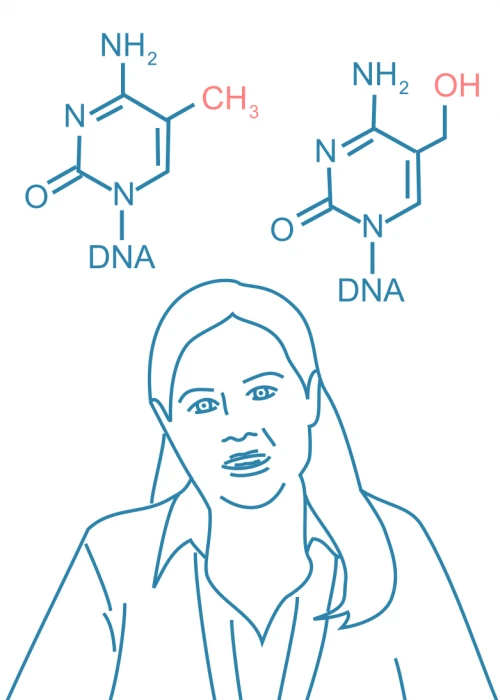
27 October 2025 @ 14:30
Blog: DNA Methylation: What’s the Difference Between 5mC and 5hmC?
Learn about identifying and quantifying the two distinct DNA modifications across the genome.
Read more
Use this year's remaining budget to secure next year's bioinformatics needs. Learn more
Our service is designed for scientists who want easy access to just the right kind of bioinformatics expertise. Watch the video to learn how it works.
Leave us a message to get in touch with our experts.
You may alternatively send us an email at .
We analyze omics data from sequencing, array and mass-spec experiments

DNA sequencing enables identifying mutations, assembling genomes and studying genetic variation in populations of any species.
We analyze DNA sequence data from whole genomes, exomes, sequencing panels, SNP arrays and metagenomic experiments.
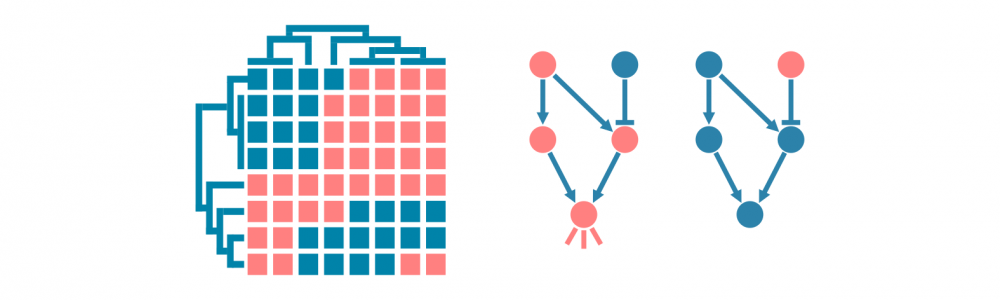
Transcriptome-wide expression analyses are the standard approach to study molecular mechanisms in biological systems from single cells to complex microbiomes.
We analyze data from bulk RNA-seq, single-cell RNA-seq, small RNA-seq and a range of other transcriptomic measurements.

Single-cell RNA sequencing enables cataloging cells at a scale and resolution unmatched by bulk sequencing.
We analyze single-cell RNA-seq data and integrate datasets across technology platforms, data types (including scATAC-seq), and species.

Spatial transcriptomics provides a molecular view of the organization of complex tissues.
We have experience in both developing new spatial transcriptomics technologies and applying them in various normal tissues and pathologies, such as tumors.
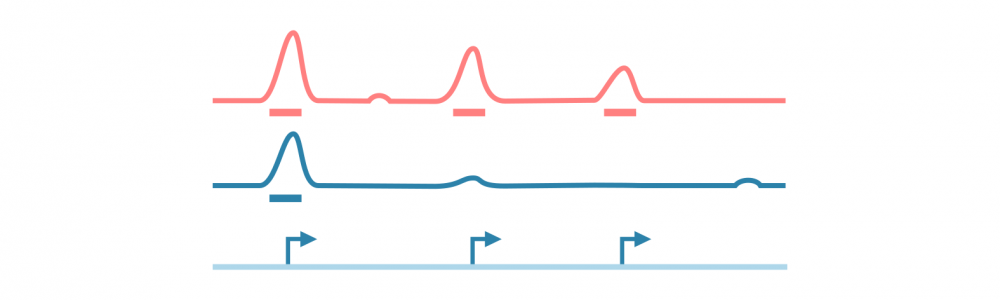
Epigenomics characterizes the chromatin state down to minuscule chemical modifications.
We analyze most types of epigenomic sequencing and array data to gain deeper understanding of gene regulation and to identify biomarkers for diseases.

Proteomics and metabolomics reveal the functional state of a biological system.
We perform pathway and biomarker analyses on protein and small molecule MS data.
Every time I spoke to Genevia, I had a lot of questions that needed clear and accurate answers. It was very satisfying to receive incredibly patient explanations. The communication was faultless! Essentially, the project was a common journey to evolving the data, with a lot of learning on both sides, as Genevia poured in their own ideas while accommodating inputs from our side.

I don't have to worry about bioinformatics, because I can leave that to professionals. at the same time, our scientists have learned a lot about bioinformatics and it's possibilities.

I was looking for a partner to validate and improve an algorithm that aims to identify the optimal combination of cancer therapy for each patient by assessing clinical data. The collaboration with Genevia’s team has gone without any challenges. Their response time is short, they are easy to communicate with and provide high-quality machine learning expertise.
Learn more about our services and references by research area
 Nervous system
Research into the development, function and pathologies of the nervous system deserves the best bioinformatics support.
 Immunology
Characterize cell types, immune repertoires and mechanisms of immune evasion at the highest resolution.
 Immuno-oncology
Uncover how tumors escape immune surveillance — and develop the next generation of immunotherapies with us.
 Drug development
Discover drug targets, mechanisms and biomarkers with cutting-edge omics data analysis.
 Metabolism and Endocrinology
Discover metabolic and hormonal disease drivers and biomarkers.
27 October 2025 @ 14:30
Learn about identifying and quantifying the two distinct DNA modifications across the genome.
8 October 2025 @ 15:15
Discover the benefits and applications of long-read sequencing with Oxford Nanopore and PacBio

26 September 2025 @ 12:20
Addressing the interpretation bottleneck of clinically actionable mutations

27 August 2025 @ 14:34
Our project manager shares her career story
Describe your bioinformatics needs briefly to get things started.
You may alternatively send us an email at .